.webp)

.webp)
Choose a Denver real estate agent who can explain the evidence behind a recommendation, demonstrate experience with your property type, and put the working relationship in writing. Compare how each broker handles pricing, inspections, negotiations, and communication—not just how confidently they describe the market.
TL;DR
Your agent's value becomes clearest when a decision gets difficult: an inspection reveals a problem, an appraisal does not support an offer, or a seller receives competing contracts. Someone who can arrange a showing is not necessarily the right person to guide those choices.
Start with the decisions you need help making. If property condition is a concern, read the home inspection guide before interviews so you can ask how each broker turns findings into a negotiation plan.
For your 2026 search, keep the distinction simple: marketing introduces a broker; specific answers help you decide whether to hire one.
Use the same process for each candidate. A recommendation from a friend is a useful introduction, but your transaction still needs its own assessment.
Write a one-page brief covering your location, property type, timing, financing position, and main concern. A buyer considering new construction in Aurora needs different experience from a seller preparing an older home in Centennial.
Choose three brokers to interview as a practical starting point, not an industry requirement. Give each the same brief so you can compare their advice fairly.
Include:
Do not disclose your maximum negotiating position casually to every person you meet. First ask the broker to explain the relationship and how information will be handled.
Ask for the broker's full licensed name, brokerage affiliation, and license information. Use Colorado's official professional-license search to check the record rather than relying on a profile badge or business card.
Then move beyond years in business. Ask for examples involving a similar property type and transaction problem, with confidential client details removed. Colorado's Division of Real Estate explains in its broker competency guidance that brokers need the experience, training, and knowledge relevant to the work they undertake.
Useful questions include:
A strong answer explains a process without promising the same result for you. A broker who identifies the limits of their expertise is giving you useful information, not displaying weakness.
A broad claim to know Denver does not tell you how someone evaluates your shortlist. Bring a listing or describe your home and ask what the broker would verify before recommending a decision.
For a Denver condo, ask about association documents and ownership obligations. For a Parker property, ask what needs checking about the specific parcel, restrictions, and access. For new construction in Aurora, ask how the broker reviews the builder's documents and separates advertised features from contractual commitments.
Use these prompts:
Good local advice identifies what needs checking at the exact address. It does not substitute neighborhood reputation for property-level research.
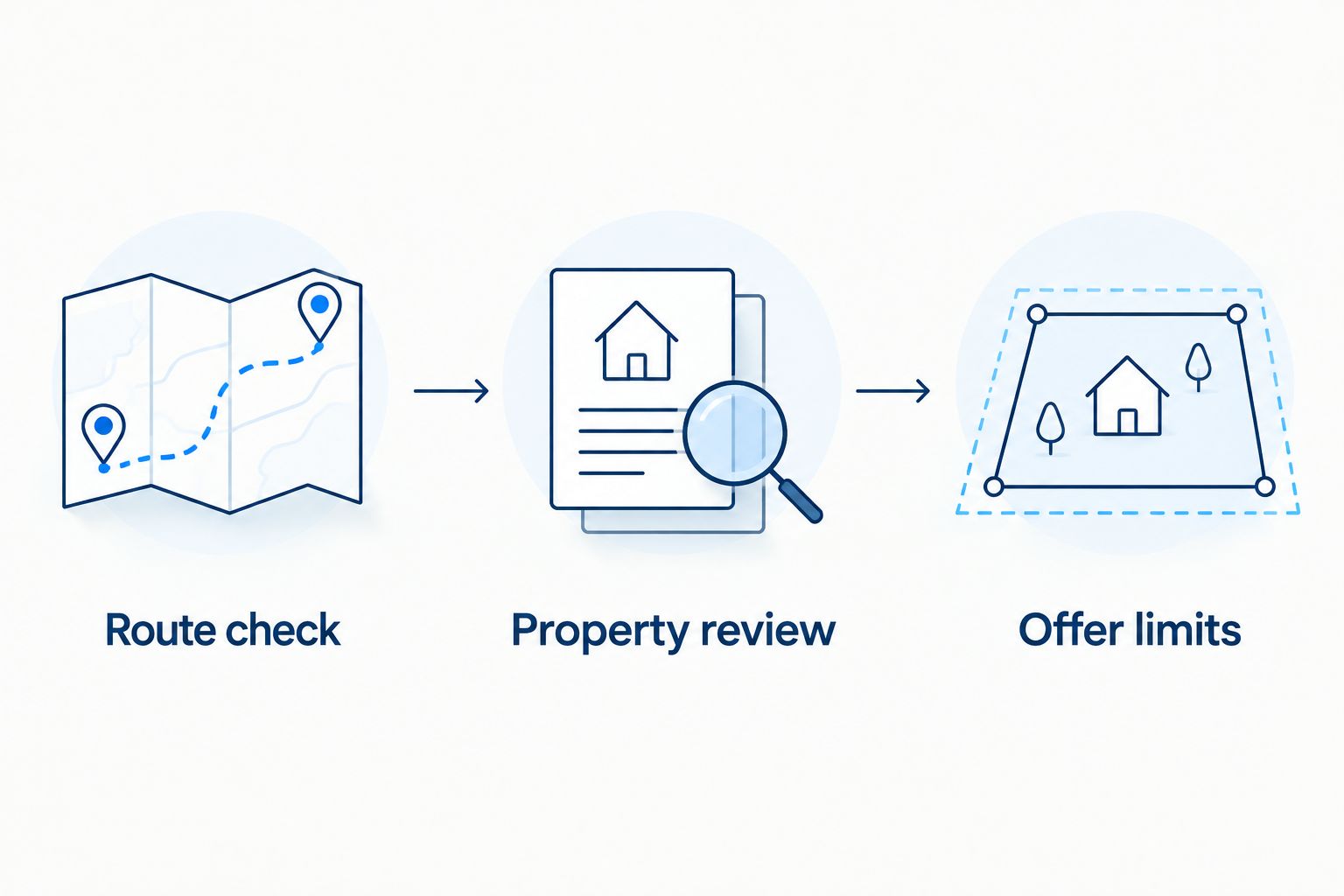
Ask the broker to explain a hypothetical disagreement involving price, repairs, or timing. Listen for preparation, options, and consequences rather than an assurance that they always win.
For buyers, the discussion should connect an offer to comparable sales, property condition, financing, and your ability to accept risk. For sellers, it should distinguish the headline offer from the terms that affect whether a transaction closes.
Ask how the broker would:
No broker can promise the other party's response. The useful evidence is whether the proposed strategy protects your priorities while explaining its limitations.
A polished first conversation is not enough if you do not know who answers later. Ask who handles showings, negotiation, paperwork coordination, and backup coverage.
For your 2026 move, agree on a communication arrangement that fits your schedule. If evenings matter, ask directly about availability instead of assuming that real estate service means unrestricted access.
Request clear answers about:
Language matters too. If Russian-language discussion helps you understand a decision, confirm who provides it and how formal documents will be explained. Conversational support is not a substitute for legal advice when contract language is unclear.
Colorado's Division of Real Estate issued updated guidance effective August 12, 2026: brokers must establish a single-agency or transaction-broker relationship through a written agreement before performing the licensed activities described in the guidance. The advisory also requires compensation to be clearly disclosed in that agreement.
Ask the broker to explain the selected relationship, duties, and limits in plain English. Do not treat a disclosure form or a compensation-only document as interchangeable with the agreement that establishes the relationship.
The Division's 2026 advisory identifies important agreement topics, including:
Ask what happens if you stop searching, change locations, or want to end the relationship. Have unclear language reviewed before signing; this article is brokerage-selection guidance, not a legal interpretation of your contract.
Source: Colorado Division of Real Estate, Signed Listing Agreements REQUIRED By New Law, August 12, 2026; statewide brokerage-agreement guidance.
Different transactions call for different questions. Use this comparison to focus interviews without assuming that a large team or a solo broker is automatically better.
Buyer guidance and property evaluation
Listing preparation and offer review
Builder-contract and construction experience
Rental-property analysis
Relocation and bilingual support
Own-Sweethome Realty provides residential and investment brokerage services across the Denver metropolitan area, including Aurora, Centennial, and Parker. That service range is relevant if your search crosses municipal boundaries, but you should still ask who will handle your specific assignment.
Own-Sweethome Realty is a fit for Denver-area buyers and sellers seeking local brokerage guidance with English- and Russian-language support. Its investment analysis and new-construction services are additional reasons to discuss your situation, not promises of a particular return or purchase outcome.
Compare candidates against your actual constraints rather than ranking them on one trait.
For a 2026 transaction, request current evidence relevant to your home. A broad statement about the entire metro area cannot establish the right strategy for an individual property.
Set aside 30 minutes as an initial interview slot and send your brief ahead of time. This is a suggested planning exercise, not a promise about any broker's consultation format.
Ask the same core question in three ways: What would you check first? What would change your recommendation? What could go wrong?
Those questions test judgment. Before ending, ask what documents the broker needs, what agreement they propose, and what the next step commits you to. You should leave knowing both the benefit of working together and the obligations involved.
Be cautious when a candidate guarantees a sale result, dismisses inspections, avoids agreement questions, or treats a deadline as a reason not to read documents. None of those behaviors is a substitute for evidence.
Also watch for advice that never changes when the facts change. A broker should explain why a new inspection finding, financing condition, or competing offer affects the plan. If the explanation remains only that the market is competitive, ask for the property-specific reasoning.
Write a short comparison immediately after each interview. Record the quality of the examples, clarity of the proposed plan, communication arrangement, and your understanding of the agreement.
Choose the candidate who makes the difficult parts understandable without minimizing them. If two brokers remain close, ask each to clarify the same unresolved issue rather than relying on presentation style.
To discuss your priorities with Own-Sweethome Realty, request a consultation and bring your property brief. Ask about local experience, negotiation planning, bilingual support, and who would guide your transaction.
How do I choose a Denver real estate agent?
Choose a Denver real estate agent by comparing relevant experience, property-specific reasoning, negotiation process, communication, and written agreement terms. Ask every candidate the same questions so differences in advice are clear.
How many real estate agents should I interview?
Interviewing three brokers is a practical starting point, not a legal requirement. Add another conversation if the initial candidates do not have experience relevant to your transaction.
Should I choose the agent who suggests the highest listing price?
Choose the agent who can support a pricing recommendation with relevant evidence and explain the trade-offs. A proposed listing price is not a guaranteed sale result.
Does Colorado require a written brokerage agreement?
The Colorado Division of Real Estate's August 12, 2026 advisory requires a written agreement establishing a single-agency or transaction-broker relationship before the licensed activities described in its guidance. Ask your broker to explain the scope, compensation, term, and duties before signing.
What should I check before signing a buyer agreement?
Check the brokerage relationship, scope, term, compensation provisions, and any holdover language. Ask how cancellation works and seek legal advice on language you do not understand.
Can the same real estate team help with Aurora, Denver, Centennial, and Parker?
A team serving those communities can help you compare locations, but confirm relevant experience with the specific property type and who will perform the work. Service-area coverage alone does not settle competence for every transaction.
Can I get real estate guidance in Russian?
Own-Sweethome Realty provides English- and Russian-language real estate services. Explain your language preference when arranging a consultation and ask how documents and transaction decisions will be discussed.
Ask the agent to explain when they would tell you not to proceed. The answer reveals whether your limits are part of the strategy or merely something to overcome.
You are hiring someone to improve the quality of your decisions, not simply keep the transaction moving. Choose the broker who can explain both the opportunity and the reason to pause.

.svg)
.svg)
.svg)

.svg)