.webp)

.webp)
Homes for sale in Centennial, CO should be compared by the exact address, total ownership costs, condition and contract risk—not just bedrooms and listing photos. Build a shortlist that separates what you can change after closing from what you cannot change about the property.
TL;DR
A renovated kitchen does not establish that the work was permitted. A manageable loan payment does not show the full cost of insurance, taxes, maintenance and association obligations. Your comparison needs to answer both questions before an offer becomes a commitment.
Start with the home inspection guide if you need a clearer distinction between a home's appearance and its condition. This 2026 checklist is a decision aid, not an inspection, appraisal or legal opinion.
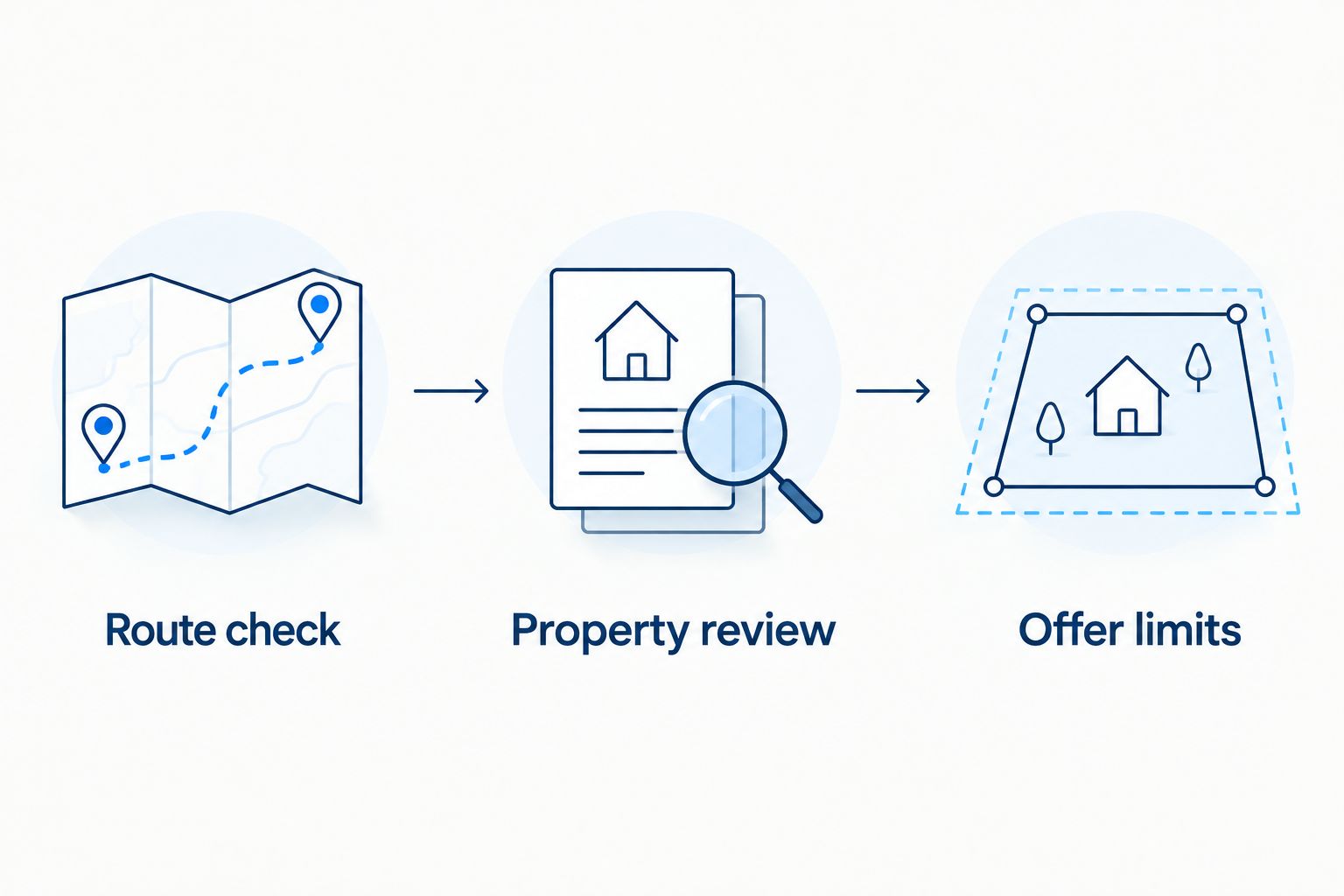
Use a repeatable process: define your limits, verify the property, compare ownership costs, investigate condition and decide which risks the contract must address. Keep unresolved questions visible instead of assuming a listing description answers them.
Write down what must work on move-in day and what can wait. Your requirements should reflect your household's needs, not an agent's assumptions about which neighborhood is best for you.
Make three lists: required, preferred and optional. A home that fails a required feature should not move to the top simply because its presentation is appealing.
Do not treat citywide descriptions as a substitute for visiting a specific block. Test the routes you will use and judge the surroundings against your own priorities.
Confirm the property's jurisdiction and the agencies responsible for the records you need. Mailing addresses and marketing descriptions are not enough to establish who manages permits, utilities or other services.
The City of Centennial's official website provides access to building-permit and inspection services. Follow the current city route for your exact address and ask the responsible department what records are available; an online search with no result is not proof that work was authorized or unauthorized.
For a 2026 purchase, collect the current records rather than relying on a document left over from an earlier sale.
A broker can help organize the inquiry. The authority that issued a permit, an inspector or another qualified professional must resolve technical questions within their expertise.
Ask your lender to explain the full payment, not just principal and interest. Add the costs you will pay separately, and keep one-time closing expenses separate from recurring ownership expenses.
The Consumer Financial Protection Bureau's homebuying resources explain preparation, loan choices, written loan offers and closing documents. Use those tools when comparing financing; a lender's qualification amount is not the same as the amount you will find comfortable every month.
For each property, make the same cost worksheet.
Keep the dates and sources beside each entry. A seller's historical expenses can inform your questions, but they are not a guarantee of your future costs.
Review the age and condition of major components with appropriate professionals. New paint can coexist with an older roof, a drainage concern or work that needs further investigation.
Ask which findings are immediately important, which need specialist evaluation and which can fit into a longer-term maintenance plan. Do not confuse a general home inspection with every specialist assessment a particular property requires.
Compare the cost and consequence of unresolved work, not the number of cosmetic upgrades. This is especially useful when two homes appear similar online but leave you with very different responsibilities after closing.
A property with an association requires another layer of review. Ask for the current documents and distinguish the recurring dues from separate assessments, ownership responsibilities and use restrictions.
For a condo, clarify which building elements and insurance responsibilities belong to the association and which belong to you. For any association-governed property, make sure the rules fit your intended use rather than assuming a previous owner's arrangements are permitted.
Association documents can affect the purchase decision as much as the interior. Use qualified legal, insurance and lending advice when the answer goes beyond brokerage guidance.
The strongest shortlist is not just a list of homes you like. It explains what you know, what remains uncertain and what would make you stop pursuing each property.
Ask your broker to connect comparable sales, financing, condition and timing to the proposed offer. A 2026 asking price is a starting point for analysis, not proof of value and not a command to bid higher.
Never waive a protection simply because someone says the market requires it. Ask what the protection does, what you lose without it and whether another approach fits your situation.
Use the categories as questions to investigate, not as a ranking. Actual ownership responsibilities depend on the property and governing documents.
Detached home
Townhome
Condo
Own-Sweethome Realty is a fit for Centennial home buyers who want local representation, negotiation guidance and English- or Russian-language support. The Aurora-based team serves Centennial as part of its Denver-metro practice; a consultation should establish your property requirements and who will handle your search.
How do I start searching homes for sale in Centennial, CO?
Start with your financing position, required property features and move timing. Then compare individual properties using the same cost, condition and location checklist rather than beginning with a preferred photograph.
Does this page show current Centennial listings?
No. This is a buyer comparison guide, not a live property feed. Ask the team for a current search and verify each property's status before arranging a tour.
Should I check permits before buying a renovated home?
Yes. Ask which authority holds the relevant records and review the documentation available for significant work. Missing information needs follow-up rather than an assumption about compliance.
Are association fees the only extra ownership cost?
No. Insurance, taxes, maintenance, utilities and any applicable assessments also affect your costs. The full picture depends on the specific property and documents.
Can a broker replace an inspector or attorney?
No. Brokerage guidance helps organize decisions and negotiations, while technical and legal questions require appropriately qualified professionals.
Can Own-Sweethome help me buy in Centennial?
Yes. Own-Sweethome Realty serves Centennial buyers and provides local guidance in English and Russian. Discuss your budget, priorities and intended property type before starting the search.
Write down your reason for rejecting a property as carefully as your reason for liking it. That habit makes the next comparison faster and protects you from changing your limits after an exciting showing.
For your 2026 purchase, bring your shortlist and unanswered questions to a buyer consultation. Own-Sweethome Realty can help turn those questions into a property-specific search and negotiation plan without promising a particular price or outcome.

.svg)
.svg)
.svg)

.svg)