.webp)

.webp)
Build a shortlist of homes for sale in Parker, CO by verifying the exact parcel, testing your routes and comparing the full ownership cost before choosing favorites. Separate location and lot constraints from features you can change, then connect unresolved questions to your offer and inspection plan.
TL;DR
A search area is not a property investigation. Two homes advertised near Parker can create different questions about jurisdiction, services, restrictions, building condition and maintenance. A shortlist should make those differences visible before an attractive showing turns into a rushed offer.
Use the Colorado buyer roadmap to organize financing, search, contract and closing decisions. This 2026 guide adds a property-level filter; it does not replace a home inspection, a survey or legal advice.
Start with requirements you can verify and reject a property only for reasons connected to your own needs. Use a written comparison sheet so each additional showing improves your judgment instead of changing your standards.
Your first filter should describe how you intend to use the home. Identify the layout, access, workspace and outdoor features that matter, then separate those from preferences that can change.
A simple three-column worksheet works well: essential, preferred and optional. Put a reason beside every essential requirement. That prevents a cosmetic upgrade from outweighing a constraint you will live with every day.
Do your own route tests at useful times rather than relying on an advertised commute. If a boundary or assigned service matters, verify it with the responsible organization for the specific address.
A Parker mailing address is a starting point, not a complete description of the property's authority, services or restrictions. Confirm which jurisdiction and county records apply before relying on a marketing label.
The Douglas County Assessor's Office provides property search, mapping and tax-related resources. For a property outside its coverage, ask which county maintains the correct records instead of forcing the address into the wrong search.
In a 2026 purchase, use the available record to identify questions—not to assume an assessor's value is the price you should offer.
Public records are useful, but different records serve different purposes. A tax description does not replace a survey, an inspection or confirmation that your intended use is permitted.
Ask for a property-specific financing estimate and keep the ownership costs visible. The home with the lower asking figure is not necessarily the one that leaves you with the more comfortable monthly commitment.
Use the Consumer Financial Protection Bureau's homebuying tools to prepare for loan comparisons and closing documents. Obtain written information from the professionals responsible for your transaction instead of assuming a payment calculator includes every obligation.
Use dates and source notes on your worksheet. For new construction, ask which costs are still estimates and what could change before closing. For existing homes, do not treat the seller's past expenses as a guarantee of yours.
An existing home needs condition and history review. New construction adds builder documents, specifications, completion timing and inspection coordination. Acreage adds questions about the land and its services that a standard interior tour cannot settle.
These are not reasons to favor one category automatically. They are reasons to ask different questions before you compare the choices.
Existing home
New construction
Acreage property
For acreage, ask qualified professionals about access, boundaries and any private service systems that apply. For a builder purchase, ask your broker about representation before registering or committing at a sales office; rules and contract terms need review for that specific project.
Use the same questions at every showing. Record what you observed separately from what someone told you and what remains unverified.
This matters most when you tour several properties close together. Without notes, attractive finishes can dominate your memory while an important layout or maintenance problem fades.
A useful shortlist records unanswered questions as clearly as attractive features. Photographs are a reminder, not proof of condition, permits or future performance.
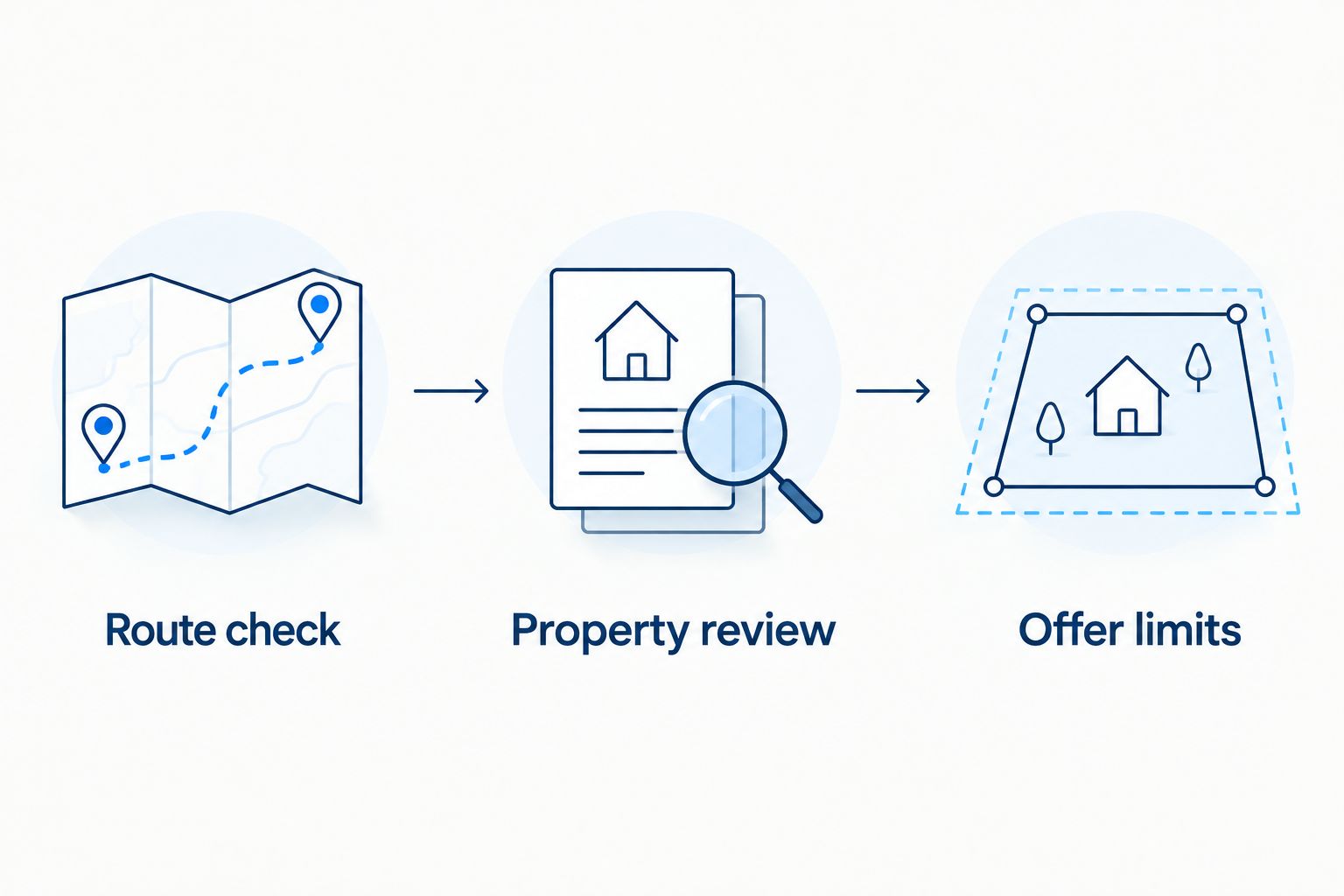
An offer strategy should connect the evidence to your financial limits, timing and risk tolerance. Ask your broker why each proposed term fits your situation and what would make the recommendation change.
Do not treat urgency as evidence. If you do not understand a protection, deposit obligation or deadline, ask before signing rather than hoping it will become clear later.
A 2026 market description cannot determine the correct terms for every home. The property, the contract and your circumstances still control the decision.
A good search becomes more precise as you replace assumptions with information. Changing the shortlist is sensible when the facts change; changing every limit after a sales conversation is not.
Common drivers include:
Own-Sweethome Realty is a fit for Parker home buyers seeking local representation, clear negotiation advice and English- or Russian-language guidance. The team serves Parker within its Denver-metro practice and can help organize questions for your lender, inspector and other specialists without replacing their work.
Yes, if doing so helps you test the same requirements against different properties. Keep your own priorities consistent rather than assuming one community is automatically better.
Compare the actual route, property obligations and purchase terms. A larger search area is useful only if it improves your choices without erasing the requirements that matter to you.
Require each shortlisted home to pass your essential criteria and have a clear next step. If you cannot explain why a home belongs on the list, move it to an optional review group rather than treating it as a favorite.
For your 2026 search, keep a short written decision after each tour: pursue, investigate further or decline. This is a planning method, not a claim that every buyer needs the same number of showings.
Where should I begin with homes for sale in Parker, CO?
Begin with your financing position, essential features and move timing, then verify individual properties. Ask for a current search rather than relying on an old listing or a general area description.
Is this a live list of Parker homes?
No. This page is a shortlist-building guide, not a live property feed. Availability and showing arrangements must be checked for each property.
Does a Parker address identify all the property rules?
No. Confirm the property's jurisdiction, parcel records and responsible service providers. A mailing address does not settle every land-use, service or ownership question.
Should I use assessed value as my offer price?
No. An assessment and a purchase valuation serve different purposes. Compare relevant sales, property condition and your financing before deciding on an offer.
What should I ask about a new-construction home?
Ask about the written specifications, completion timing, inspection opportunities and your obligations under the builder's agreement. A model-home visit is not a substitute for reviewing the actual contract.
Can Own-Sweethome Realty help with a Parker purchase?
Yes. Own-Sweethome Realty serves Parker buyers and offers English- and Russian-language guidance. Discuss your intended property type, financial limits and timeline before beginning the search.
Choose your stopping rules before you fall in love with a property. Knowing what you will not accept makes a broker's negotiation advice more useful and prevents an attractive showing from becoming a financial plan.
Bring your requirements and unresolved questions to a Parker buyer consultation. Own-Sweethome Realty can help turn them into a property-specific search, with no promise of a particular purchase result.

.svg)
.svg)
.svg)

.svg)